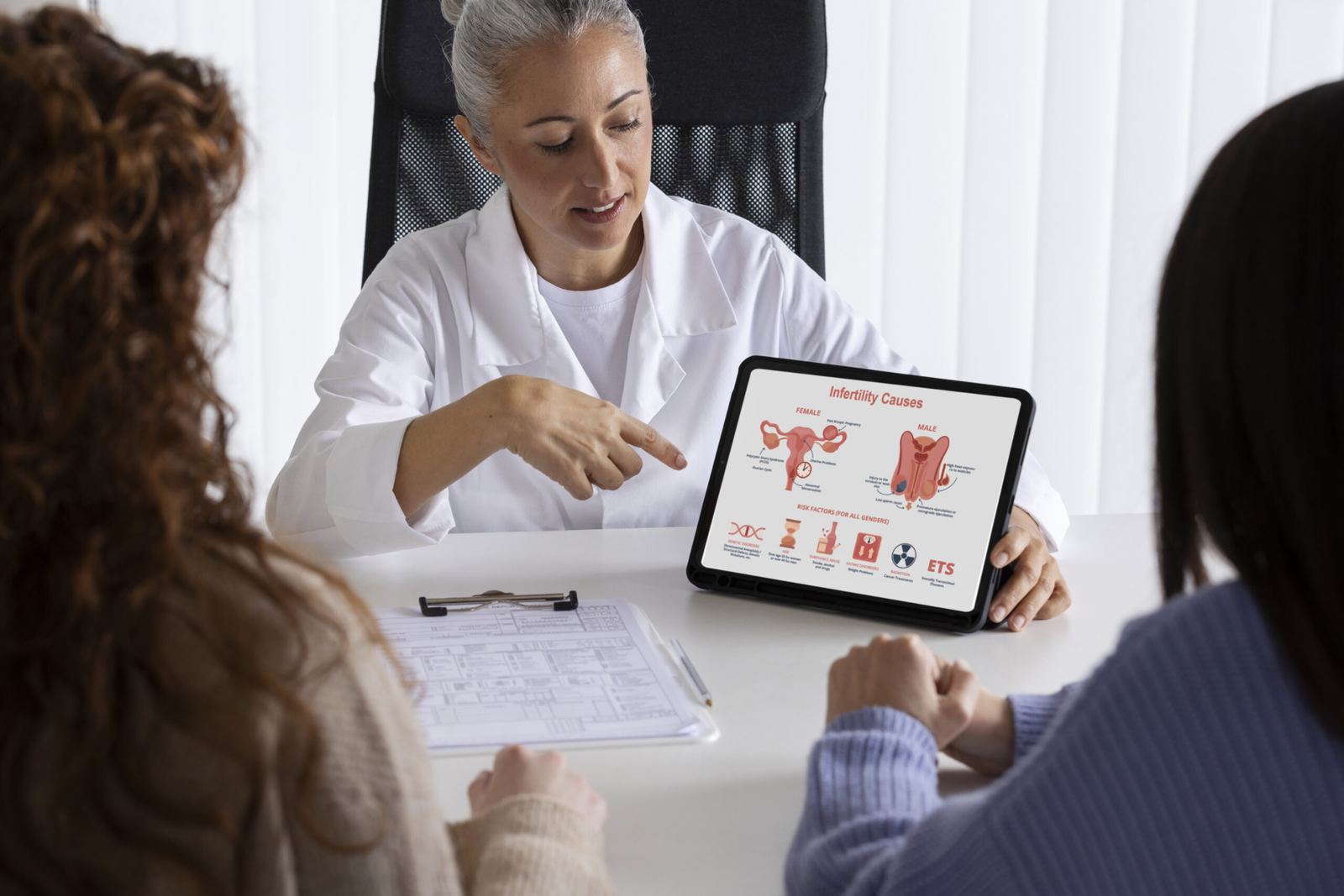
Uterine fibroids are a common health condition that can affect women during their reproductive years and beyond. These non-cancerous growths develop in or around the uterus and may cause symptoms that influence comfort, daily activities, and overall quality of life. While some fibroids remain small and cause no noticeable concerns, others may lead to heavy menstrual bleeding, pelvic discomfort, pressure sensations, or challenges related to reproductive health.
With advancements in healthcare, comprehensive uterine fibroid treatments using advanced medical techniques now provide a range of options designed to address individual needs. Modern treatment approaches focus on accurate diagnosis, symptom management, preservation of reproductive goals when possible, and improved long-term wellness.
A personalized approach helps ensure that treatment decisions are based on factors such as fibroid size, location, symptoms, age, lifestyle considerations, and overall health condition.
Understanding Uterine Fibroids and Their Effects
Uterine fibroids are growths that develop from the muscle and connective tissue of the uterus. They can vary significantly in size, number, and location. Some women may have fibroids without experiencing symptoms, while others may notice significant changes in their menstrual cycle or physical comfort.
Common symptoms associated with uterine fibroids may include:
- Heavy or prolonged menstrual bleeding
- Pelvic pressure or discomfort
- Abdominal fullness
- Frequent urination due to pressure on nearby organs
- Lower back discomfort
- Pain during certain activities
- Changes in reproductive health
The impact of fibroids can differ from person to person, which is why individualized assessment is an essential part of effective treatment planning.
See also: Wedding Suite Packages: Planning a Memorable Start to Married Life
Importance of Accurate Fibroid Diagnosis
Before selecting a treatment approach, understanding the specific characteristics of fibroids is important. A detailed evaluation helps healthcare professionals determine the most appropriate management strategy.
Diagnostic assessment may involve:
- Reviewing symptoms and medical history
- Physical examination
- Imaging evaluations
- Monitoring changes over time
Important factors considered during evaluation include:
- Number of fibroids
- Fibroid size
- Location within the uterus
- Symptom severity
- Personal health goals
Accurate diagnosis allows treatment plans to focus on achieving the best possible outcome.
Factors That Influence Uterine Fibroid Development
The exact reason why some women develop fibroids is not always clear, but several factors may contribute to their growth and progression.
Hormonal Influences
Hormones such as estrogen and progesterone can influence uterine tissue growth. Changes in hormone levels may affect fibroid development and symptom patterns.
Genetic Factors
Some individuals may have a higher likelihood of developing fibroids due to family-related factors or inherited tendencies.
Age and Reproductive Factors
Fibroid development is often associated with the reproductive years. Changes in the body throughout different life stages may influence fibroid behavior.
Understanding these influences helps healthcare providers create more targeted treatment plans.
Monitoring and Non-Surgical Management Approaches
Not every uterine fibroid requires immediate intervention. When symptoms are mild or absent, monitoring may be recommended.
A watchful management approach may involve:
- Regular health evaluations
- Tracking symptom changes
- Monitoring fibroid growth
- Maintaining healthy lifestyle habits
This approach allows healthcare professionals to identify when treatment adjustments may become necessary.
Advanced Medical Treatment Options for Uterine Fibroids
Modern fibroid care offers multiple treatment pathways depending on individual circumstances. Advanced medical techniques focus on reducing symptoms while considering personal health goals.
Medication-Based Treatment Strategies
Medication-based approaches may help manage symptoms associated with fibroids.
Depending on individual needs, treatment may focus on:
- Reducing heavy menstrual bleeding
- Managing discomfort
- Supporting hormonal regulation
- Improving daily comfort
Medication decisions should always be guided by healthcare professionals who understand the individual’s medical history.
Minimally Invasive Fibroid Treatment Techniques
Advancements in medical technology have introduced minimally invasive approaches designed to address fibroid-related concerns while supporting faster recovery and reduced disruption.
These techniques may focus on:
- Reducing fibroid-related symptoms
- Improving quality of life
- Supporting preservation of healthy uterine function when appropriate
- Minimizing recovery challenges
The suitability of a minimally invasive approach depends on factors such as fibroid characteristics and individual health requirements.
Image-Guided Treatment Approaches
Modern imaging technology plays an important role in improving treatment precision. Image-guided techniques allow healthcare professionals to better understand fibroid location and plan appropriate care.
Benefits of advanced imaging support include:
- Improved treatment planning
- Better understanding of fibroid structure
- More targeted approaches
- Enhanced monitoring
Accurate visualization contributes to safer and more effective treatment decisions.
Surgical Treatment Considerations
In certain situations, surgical options may be considered, particularly when fibroids cause significant symptoms or affect quality of life.
Surgical decisions are based on factors such as:
- Fibroid size and location
- Symptom severity
- Previous treatments
- Individual reproductive goals
- Overall health
A thorough discussion with a healthcare professional helps determine the most suitable option.
Supporting Recovery Through Healthy Lifestyle Choices
Treatment outcomes can often be supported through healthy lifestyle practices that promote overall wellness.
Maintaining Balanced Nutrition
A nutrient-rich diet supports general health and recovery.
Healthy eating habits may include:
- Fresh vegetables and fruits
- Adequate protein intake
- Whole foods
- Essential nutrients
- Proper hydration
Good nutrition supports the body’s natural healing processes.
Staying Physically Active
Regular movement supports circulation, strength, and overall wellness.
Appropriate activities may include:
- Walking
- Gentle exercises
- Stretching routines
- Low-impact activities
Exercise plans should be adjusted according to personal comfort and medical recommendations.
Managing Stress Effectively
Stress management can contribute to better overall health.
Helpful practices may include:
- Relaxation techniques
- Mindfulness activities
- Adequate rest
- Maintaining supportive routines
Emotional wellness is an important part of comprehensive healthcare.
Personalized Treatment Planning for Better Outcomes
Every woman’s experience with uterine fibroids is different. A personalized treatment plan considers medical needs as well as lifestyle preferences and future goals.
A customized approach may include:
- Symptom management strategies
- Treatment selection based on fibroid characteristics
- Recovery planning
- Follow-up monitoring
- Long-term wellness support
Personalized care helps ensure that treatment decisions align with individual priorities.
Importance of Follow-Up Care
Ongoing monitoring is an essential part of fibroid management. Regular follow-up appointments allow healthcare providers to evaluate treatment effectiveness and identify any changes.
Follow-up care may include:
- Symptom reviews
- Health assessments
- Imaging when necessary
- Treatment adjustments
Consistent monitoring supports better long-term management.
Managing Uterine Fibroids for Long-Term Wellness
Successful fibroid management involves more than addressing immediate symptoms. It focuses on maintaining comfort, supporting health goals, and improving quality of life over time.
Long-term strategies may include:
- Regular health evaluations
- Awareness of symptom changes
- Healthy lifestyle practices
- Following recommended care plans
A proactive approach helps individuals stay informed and make confident healthcare decisions.
Conclusion
Comprehensive uterine fibroid treatments using advanced medical techniques provide personalized solutions for managing fibroid-related concerns and improving overall wellness. With accurate diagnosis, modern treatment options, lifestyle support, and ongoing monitoring, individuals can access care designed around their specific needs.
Advancements in medical techniques continue to improve the way uterine fibroids are evaluated and managed. By working with qualified healthcare professionals and following a personalized treatment approach, women can take meaningful steps toward better comfort, improved health outcomes, and enhanced quality of life.