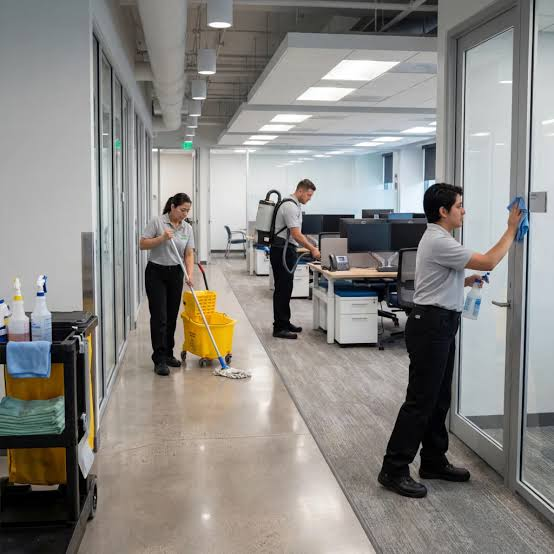
A commercial property can look perfectly fine until a small fault turns into an expensive disruption. A leaking pipe can damage stock and equipment. A faulty electrical connection can interrupt operations. Poorly maintained air conditioning can make working conditions uncomfortable for employees and customers.
These problems rarely appear without warning. Regular inspections and planned repairs can catch many of them before they affect day-to-day business.
That is why commercial maintenance services are a practical part of managing offices, retail spaces, warehouses, restaurants, industrial facilities, and other commercial properties. The focus is not simply on repairing things after they break. Good maintenance keeps essential systems operating properly and helps property owners control avoidable costs.
Maintenance Is About More Than Fixing Breakdowns
Reactive maintenance often starts with a complaint: the heating has stopped working, a light is flickering, a door will not close, or water is appearing where it should not.
Waiting for these issues to become urgent can create several problems at once. Emergency repairs may cost more, employees may lose productive time, and customers may notice that the property is not being properly managed.
Planned maintenance takes a different route. Technicians inspect important equipment and building systems at scheduled intervals. Minor faults can then be repaired before they become larger failures.
This approach is particularly useful for properties with systems that operate continuously or carry heavy workloads.
What Commercial Maintenance Services Can Cover
The exact work depends on the building, its size, and the type of business operating inside it. A maintenance programme may include several areas.
Electrical Systems
Lighting, switches, sockets, distribution boards, emergency lighting, and other electrical components need regular attention. Faulty electrical equipment can create operational and safety concerns, so inspections should not be limited to visible problems.
Plumbing and Water Systems
Blocked drains, leaking taps, damaged pipes, low water pressure, and faulty toilets can interfere with normal business activity. Regular checks can identify leaks and other issues before they cause extensive property damage.
Heating and Cooling
Heating, ventilation, and air conditioning systems directly affect comfort. Dirty filters, worn components, blocked drains, or declining system performance can also increase energy consumption.
Scheduled servicing helps keep these systems working efficiently and can reduce the likelihood of sudden breakdowns.
General Building Repairs
Doors, locks, ceilings, walls, flooring, fixtures, and other building elements also require attention. Small defects can gradually become more expensive if they are ignored.
A maintenance provider can keep track of these repairs rather than leaving property managers to deal with every issue individually.
Why Planned Maintenance Can Reduce Costs
The cost of maintenance is not limited to the repair invoice.
Consider a retail store that loses refrigeration for several hours. The business may face spoiled stock, lost sales, technician call-out charges, and disruption to staff. A warehouse dealing with a damaged loading door may experience delays in receiving or dispatching goods.
Preventive maintenance cannot eliminate every unexpected failure, but it can reduce the frequency of avoidable problems.
Regular servicing also provides useful information about ageing equipment. Property managers can identify systems that may need replacement and budget for them rather than dealing with an emergency purchase.
A Cleaner, Safer Commercial Environment
Maintenance also affects the condition of the workplace.
Faulty lighting can create poorly illuminated areas. Damaged flooring can create trip hazards. Water leaks can contribute to damp conditions and property deterioration. Poor ventilation can affect indoor comfort.
Keeping these issues under control supports a better environment for employees, visitors, tenants, and customers.
Businesses should also keep appropriate inspection and repair records. Documentation can help property managers track recurring faults, demonstrate that maintenance has been carried out, and plan future work.
Choosing a Maintenance Provider
Price is only one factor to consider when selecting a maintenance company.
Start by checking whether the provider has experience with properties similar to yours. A small office, shopping centre, restaurant, and industrial warehouse can have very different maintenance requirements.
Response times also matter. Ask how urgent repair requests are handled and whether emergency support is available outside normal working hours.
It is also useful to clarify what the service includes. Some agreements cover scheduled inspections and basic repairs, while others may involve separate charges for labour, replacement parts, specialist work, or emergency visits.
Clear communication around these details can prevent misunderstandings later.
Maintenance Plans Should Match the Property
A fixed schedule does not necessarily work for every commercial building.
A busy restaurant may require frequent attention to plumbing, ventilation, refrigeration, and electrical systems. An office may place greater emphasis on HVAC, lighting, plumbing, access systems, and general building repairs.
Property age matters too. Older buildings may require more frequent inspections because their equipment and infrastructure have had more time to deteriorate.
The right maintenance plan should therefore be based on actual usage, equipment condition, building size, and operational requirements.
See also:How to Turn a Business Idea into Reality
Technology Can Make Maintenance Easier to Track
Property managers no longer have to rely entirely on spreadsheets, paper records, or memory.
Maintenance management software can record inspection dates, repair histories, recurring faults, equipment details, and upcoming service requirements. Some systems can also generate reminders when inspections or servicing are due.
This creates a clearer record of the property’s condition and makes it easier to identify patterns. For example, repeated repairs on the same air conditioning unit may indicate that replacement is more sensible than continuing to repair it.
Maintenance Supports Business Continuity
A commercial building is part of the business infrastructure. If essential facilities stop working, normal operations can quickly be affected.
Planned commercial maintenance services help businesses address problems before they become major interruptions. The work may seem routine—checking equipment, repairing small defects, servicing systems, and monitoring building conditions—but those routine actions can prevent much larger problems.
A well-maintained property also tends to be easier to manage because issues are recorded, scheduled, and addressed instead of accumulating unnoticed.
For property owners and managers, the goal is straightforward: keep the building functional, safe, comfortable, and ready for business every day. Regular maintenance is one of the simplest ways to support that goal while keeping unexpected repair costs under better control.