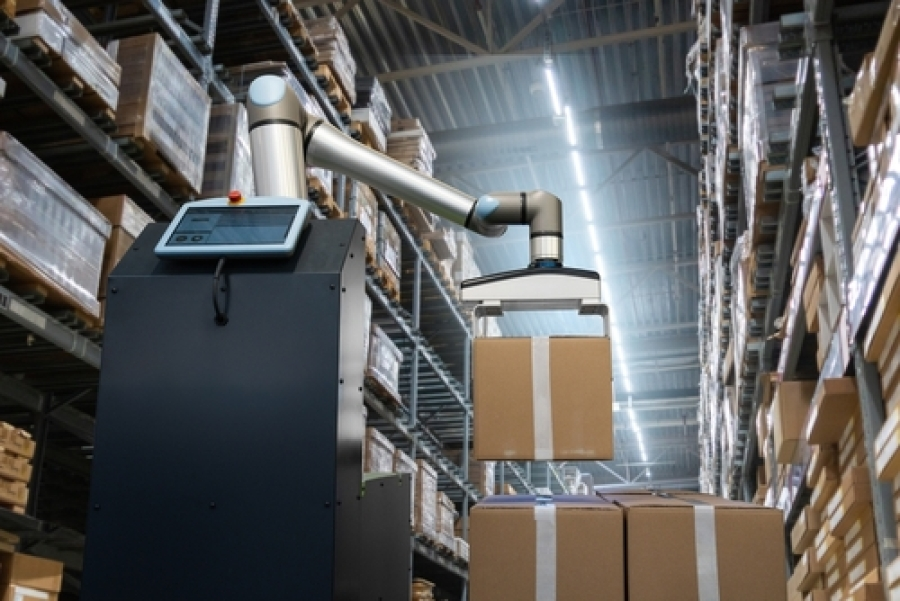
Most automation failures aren’t automation failures at all. They’re electrical problems wearing an automation costume. A conveyor that stutters, a sensor that misreads, a sortation system that trips offline during peak hours, trace enough of these back far enough and you’ll usually land on power quality, panel capacity, or wiring that wasn’t designed for what’s actually running through it now. This is why so many facilities end up calling an electrical automation company before they call anyone else when something in the automated system starts acting unpredictable.
Automation gets all the attention because it’s the visible part, the robots, the conveyors, the software dashboards. Electrical infrastructure is the part nobody thinks about until it’s the reason everything else stops working. That’s a mistake, because the electrical layer isn’t supporting the automation from the sidelines. It’s the foundation everything else is built on top of.
Why Power Quality Matters More Than People Assume
Automated systems are far less forgiving of power fluctuations than older, simpler equipment. A voltage sag that a basic conveyor motor barely notices can cause a programmable logic controller to fault, a robotic arm to lose calibration, or a sensor array to throw false readings. The more sophisticated the system, the more sensitive it tends to be to anything less than clean, stable power.
Harmonic distortion is one of those issues that quietly damages equipment over time rather than causing an obvious failure. Variable frequency drives, which are everywhere in modern automation, both consume and generate harmonics. Left unmanaged, that distortion shortens the life of motors, causes overheating in transformers, and creates the kind of intermittent glitches that are maddening to diagnose because they don’t happen consistently.
Grounding gets treated as a formality in a lot of builds, and it really shouldn’t be. Proper grounding protects sensitive automation components from electrical noise and prevents the kind of ground loops that cause sensors to misfire for no apparent reason. A facility with grounding issues will often chase phantom software bugs for months before someone finally traces the problem back to the actual electrical layer.
Capacity Planning for Growing Automation
A lot of facilities design their electrical infrastructure for what they’re installing today, not what they’re likely to add in three years. That’s understandable from a budget standpoint, but it’s also how warehouses end up hitting a capacity wall right when they’re trying to expand automation and discover the panel simply doesn’t have room for it.
Load calculations for automated systems need to account for peak demand, not just average draw. Conveyor systems, robotics, and material handling equipment often have high startup currents that spike well above their running load. If the electrical infrastructure was sized around steady-state numbers instead of peak demand, that gap shows up the moment multiple systems start up simultaneously, usually right at the start of a shift when it’s most disruptive.
Panel capacity and distribution planning matter just as much as total available power. It’s not only about whether a facility has enough electricity coming in, it’s about whether that power is distributed to the right places without requiring a full rewire every time a new automated system gets added. Facilities that plan distribution with future automation in mind save a significant amount of money and downtime compared to ones that treat each new system as a standalone electrical project.
Where Electrical Work Intersects With Construction
Electrical infrastructure for automation doesn’t exist separately from the building it sits in. Conduit routing, panel placement, and power distribution all need to be planned alongside structural and construction decisions, not bolted on afterward. Trying to retrofit heavy electrical capacity into a building that wasn’t designed for it is possible, but it’s almost always more expensive and disruptive than planning for it from the start. This is a big part of why facilities increasingly look for a commercial construction company that handles electrical and construction together, rather than treating them as separate contracts that need to be coordinated manually.
Timing matters here too. Electrical rough-in needs to happen at a specific point in the construction sequence, and if automation plans change after that point, whether it’s a new conveyor line or an added robotics cell, the electrical work often has to be redone. Facilities that involve their electrical contractor early, while the automation layout is still being finalized, avoid a lot of costly rework compared to those who bring electrical in as an afterthought.
Common Electrical Gaps in Automated Facilities
Undersized conduit and cable trays cause problems that don’t show up immediately but become a real headache during any future expansion. If there’s no room to add cabling without tearing into walls or ceilings, every future automation project costs more than it needs to, simply because the physical infrastructure to support it was never planned for.
Inadequate backup power is a gap that only becomes obvious during an outage, which is exactly the worst time to discover it. Automated systems with no backup power plan don’t just stop when the power goes out, they can lose calibration, position data, or process state, meaning restart isn’t as simple as flipping the power back on. For facilities running continuous operations, that gap can mean hours of lost productivity beyond just the outage itself.
Outdated control panels are common in facilities that have automated in phases over the years without updating the underlying electrical infrastructure to match. A control panel designed for a simpler system years ago often can’t handle the communication and power demands of newer automation equipment layered on top of it, creating a bottleneck that limits what the facility can actually run reliably.
Planning Electrical Infrastructure the Right Way
The facilities that avoid these problems are the ones that treat electrical planning as part of the automation project from day one, not as a separate line item handled after the equipment is already selected. That means involving an industrial electrical contractor early, sizing infrastructure for future growth rather than just current needs, and making sure electrical systems integration is considered alongside construction and equipment decisions rather than after them.
If you’re planning a new automation project, expanding an existing one, or dealing with unexplained equipment issues that might actually be electrical in nature, it’s worth having someone take a real look at your infrastructure before assuming the automation itself is the problem. You can contact us to go over your current setup and what it would take to support where you’re headed.
Warehouse automation gets the spotlight because it’s the part people can see working. The electrical infrastructure underneath it is what actually determines whether that automation runs reliably or spends half its life offline for reasons nobody can quite pin down.