Short Answer
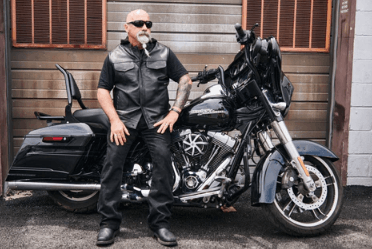
A leather motorcycle vest can offer torso coverage, wind resistance, storage, and some abrasion protection depending on the leather quality, thickness, construction, and fit. However, it does not protect the arms, shoulders, or elbows like a full motorcycle jacket. Riders should understand its limits and choose gear based on riding conditions.
Protection Starts with Knowing the Limits
A vest has always had a strong place in biker culture. It looks classic, carries patches, works well over layers, and feels more comfortable than a full jacket in warm weather. But when riders ask whether a vest is protective, the answer needs to be honest: it can help in some ways, but it is not the same as full protective riding gear.
The most important thing is understanding what a vest can protect and what it cannot. A vest mainly covers the torso. That means the chest, stomach, ribs, sides, and back may get some coverage depending on the design. But the arms, shoulders, and elbows remain exposed unless the rider wears additional protective gear.
So, a vest can be useful, but it should not be treated as complete upper-body protection.
What Protection Can a Leather Vest Offer?
A riding vest can provide a layer between your torso and the outside environment. That layer may help with wind, light debris, sun exposure, and some abrasion resistance, depending on the leather and construction.
A well-made vest may help protect areas such as:
- Chest
- Stomach
- Lower torso
- Sides
- Back
- Waist area
The level of protection depends on the quality of the material. Stronger leather, secure stitching, proper fit, and good panel construction all matter. A thin fashion vest will not perform the same as a riding-focused vest made with motorcycle use in mind.
A vest can also help keep essentials secure if it has strong pockets and closures. That may not sound like protection, but loose items in poor pockets can become a problem while riding.
What Does a Vest Not Protect?
The main limitation is simple: a vest has no sleeves.
That means it does not cover:
- Shoulders
- Upper arms
- Elbows
- Forearms
- Wrists
- Hands
These areas are often vulnerable during a fall or slide. A full motorcycle jacket usually provides more coverage because it protects the arms and may include armor pockets at the shoulders, elbows, and back.
This is why riders should not compare a vest and jacket as if they offer the same protection. They do different jobs. A vest gives torso coverage and comfort. A jacket gives broader upper-body coverage.
Leather Quality Makes a Big Difference
Not all leather vests offer the same level of coverage or durability. Leather type, thickness, grain, construction, and stitching can all change how useful the vest is for riding.
When checking leather quality, riders should look for:
- Durable leather feel
- Strong panel construction
- Secure stitching
- Reinforced stress points
- Comfortable thickness
- Good flexibility
- Clean edges and finishing
A leather vest that feels too thin, flimsy, or decorative may be better for fashion than riding. A riding-focused vest should feel structured enough for regular road use while still allowing movement.
A leather motorcycle vest should be judged by more than appearance. Riders should check how it fits, how it is built, how it moves while seated, and whether the leather feels strong enough for regular use.
Fit Affects Protection
Fit plays a big role in how a vest performs. If it is too loose, it may shift, flap, or move around while riding. If it is too tight, it may restrict movement and make layering uncomfortable.
A good fit should:
- Sit close to the body
- Allow shoulder movement
- Stay secure at the waist
- Feel comfortable while seated
- Leave room for normal riding layers
- Avoid excessive flapping
- Cover the torso properly
The vest should not ride up too much when seated on the motorcycle. It should also not pull across the chest when the rider reaches toward the handlebars.
If you plan to wear the vest over a hoodie, flannel, or lightweight jacket, measure with those layers in mind.
See also: What to Check Before Choosing Around New Life Health Greenville Sc in 2026
Coverage Depends on Vest Length and Cut
Vest length matters more than many riders realize. A short vest may look stylish while standing, but it may expose more of the lower torso while seated. A long vest may offer better coverage, but it can bunch at the waist depending on the bike and body position.
Riders should think about:
- Front coverage while seated
- Back length
- Side coverage
- Waist position
- Comfort around the belt line
- Layering underneath
The cut of the vest also matters. A clean, structured cut usually stays in place better than a loose fashion-style vest. Side laces, straps, or zippers can help fine-tune the fit and improve stability.
Can Body Armor Be Worn with a Vest?
Yes, riders can wear body armor with a vest, but it depends on the armor type, vest fit, and layering setup.
Some riders wear separate body armor underneath a vest. Others wear armored shirts or protective base layers under their outer gear. This can improve protection for areas the vest does not cover, such as shoulders, elbows, chest, and back.
Options may include:
- Armored riding shirts
- Back protectors
- Chest protectors
- Shoulder armor
- Elbow armor
- Protective base layers
- CE-rated body armor
If you plan to wear armor under a vest, make sure the vest has enough room. A vest that fits perfectly over a T-shirt may become too tight over armor.
Vest vs Jacket: Which Protects Better?
A motorcycle jacket generally protects better than a vest because it covers more of the body. A jacket can protect the torso, shoulders, arms, elbows, and back. Many jackets also support armor placement in key impact areas.
A vest is more limited because it mainly covers the torso. However, it is lighter, cooler, easier to layer, and often better for patch placement or biker style.
A vest may be suitable for:
- Warm-weather cruising
- Short local rides
- Layered outfits
- Club-style riding
- Casual biker events
- Riders who wear protective layers underneath
A jacket may be better for:
- Highway riding
- Long-distance riding
- Cold weather
- Higher-speed rides
- New riders
- Riders who want stronger upper-body protection
- Unpredictable weather
The best choice depends on the ride, not just the look.
When Does a Vest Make Sense?
A vest makes sense when the rider wants comfort, airflow, storage, and torso coverage without the full weight of a jacket. It is especially useful in warm weather or casual riding conditions.
Riders often choose vests for:
- Classic biker style
- Patch display
- Better airflow
- Easy layering
- Extra pockets
- Warm-weather comfort
- Cruiser rides
- Motorcycle events
- Club identity
For riders who understand its limits, a vest can be a practical and stylish part of a riding setup.
When Is a Jacket the Better Choice?
A jacket is better when the ride requires more coverage and protection. If you are riding fast, going long distance, dealing with cold wind, or expecting unpredictable conditions, a jacket is usually the safer option.
Choose a jacket when you need:
- Shoulder coverage
- Elbow coverage
- Arm protection
- Stronger abrasion resistance
- Armor pocket options
- Wind control
- Weather protection
- Better highway coverage
This is especially important for beginner riders who may not yet know what conditions they will face on the road.
Does Leather Thickness Matter?
Yes, leather thickness can affect structure, durability, and abrasion resistance. Thicker leather generally feels more substantial, but thickness alone does not tell the whole story.
Riders should also consider:
- Leather quality
- Stitching strength
- Panel construction
- Fit
- Flexibility
- Comfort
- Intended use
A thick vest that fits poorly may not be as useful as a well-built vest that fits correctly. The best gear balances durability, comfort, and function.
What About Stitching and Seams?
Stitching and seams are important because they hold the vest together under stress. Weak stitching can reduce durability, especially around pockets, shoulders, side panels, and closures.
Check the stitching around:
- Shoulder seams
- Side seams
- Pocket edges
- Front closure
- Back panel
- Armholes
- Bottom hem
- Lining edges
A protective layer is only as strong as its construction. Good leather matters, but so does the way the vest is assembled.
Pockets and Closures Also Matter
Pockets and closures do not replace protection, but they affect safety and practicality. A phone, wallet, or keys should not easily fall out while riding.
Useful pocket features include:
- Zippered pockets
- Deep inside pockets
- Secure snap pockets
- Balanced pocket placement
- Easy access without discomfort
Closures also matter. Snaps give a classic biker look, while zippers can feel more secure. Some riders prefer both. A secure front helps the vest stay in place and reduces flapping.
Common Mistakes Riders Should Avoid
The biggest mistake is assuming every leather vest offers the same level of protection. Some are built for riding, while others are mostly fashion pieces.
Avoid these mistakes:
- Treating a vest like a full jacket
- Ignoring arm and shoulder protection
- Buying leather that feels too thin
- Choosing poor fit
- Forgetting about riding posture
- Ignoring stitching quality
- Not checking pocket security
- Buying only for patch space
- Wearing a loose vest at higher speeds
- Forgetting about weather conditions
A vest can be useful, but riders should be realistic about what it does and does not cover.
How to Make a Vest Setup More Protective
If you like wearing vests but want more protection, consider building a layered setup.
You can improve coverage by adding:
- Armored riding shirt underneath
- Back protector
- CE-rated body armor
- Protective gloves
- Riding boots
- Leather chaps or riding pants
- Helmet
- Weather-appropriate layers
A vest works better as part of a complete gear system. It should not be the only protective item a rider thinks about.
What Riders Should Look for Before Buying
Before choosing a vest, check the details that matter most for riding use.
Look for:
- Strong leather
- Comfortable thickness
- Secure front closure
- Good torso coverage
- Proper riding fit
- Strong stitching
- Useful pockets
- Comfortable lining
- Side adjustment
- Patch-friendly back panel
- Room for layers
- Good seated comfort
A leather motorcycle vest should feel like riding gear, not just a fashion layer. It should match your body, bike, weather, and riding habits.
FAQs
Are leather motorcycle vests safe for riding?
Leather motorcycle vests can offer torso coverage and some abrasion resistance, but they do not provide the same protection as a full motorcycle jacket because they leave the arms, shoulders, and elbows exposed.
Can a leather vest replace a motorcycle jacket?
A vest should not be considered a full replacement for a motorcycle jacket when strong upper-body protection is needed. A jacket provides more coverage and may include armor pockets.
What does a motorcycle vest protect?
A motorcycle vest mainly covers the chest, stomach, sides, and back. It does not protect the arms, elbows, shoulders, wrists, or hands.
Is thicker leather always better?
Not always. Thicker leather can offer more structure, but fit, stitching, construction, leather quality, and comfort also matter. The vest should be durable but still wearable.
Can I wear armor under a leather vest?
Yes, many riders wear armored shirts, back protectors, or body armor under a vest. Make sure the vest has enough room for the protective layer.
Is a vest good for summer riding?
Yes, a vest can be useful for summer riding because it allows more airflow than a full jacket. Riders should still consider their protection needs and riding conditions.
Should beginner riders wear a vest or jacket?
Beginner riders are usually better served by a motorcycle jacket because it offers more coverage. A vest can be added later for layering, style, or warm-weather use.
Conclusion
Leather vests can be useful riding gear when riders understand their strengths and limits. They offer torso coverage, comfort, airflow, storage, patch space, and classic biker style, but they do not replace the coverage of a full motorcycle jacket. For a smarter setup, choose gear based on the ride: vest for comfort and style, jacket for fuller coverage, and body armor when added impact protection matters.