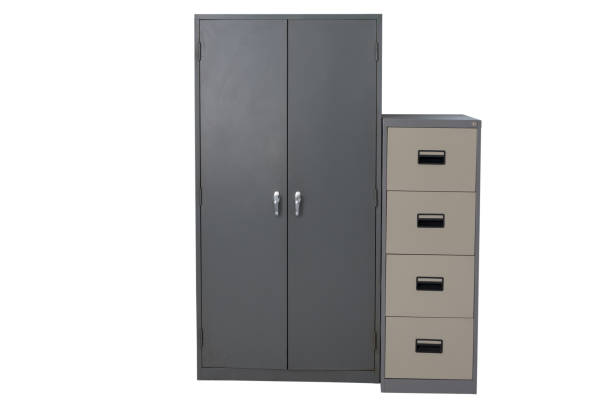
Storage problems rarely start with a lack of floor space. More often, the issue is that available space is poorly organised. Tools end up on workbenches, documents occupy desks, spare equipment sits in boxes, and frequently used supplies become difficult to find.
A metal storage cabinet can provide a practical way to organise these items while offering the durability needed for demanding workplaces. Metal cabinets are commonly used in offices, workshops, warehouses, schools, garages, healthcare facilities, and industrial environments.
The right cabinet depends on what needs to be stored, where it will be placed, and how frequently the contents need to be accessed.
Why Choose Metal for Storage?
Metal offers several practical advantages over many lightweight storage materials.
Steel cabinets, for example, can provide a strong enclosure for equipment, tools, files, and supplies. A quality powder-coated finish can also help protect the surface from everyday wear.
Metal is particularly useful in environments where cabinets are opened frequently or need to hold heavier items.
The construction still matters. Sheet thickness, reinforcement, hinges, shelves, locking mechanisms, and overall cabinet design can vary considerably between products.
Choose Cabinet Size Around the Contents
A cabinet should be large enough to accommodate what needs to be stored without becoming unnecessarily bulky.
Before buying, consider the dimensions and weight of the items.
Small supplies may work well in a cabinet with multiple shallow shelves, while tools or larger equipment may need taller compartments with adjustable shelving.
Measuring the available floor or wall space is equally important.
Remember to account for door clearance. A cabinet that fits perfectly against a wall may become difficult to use if the doors cannot open fully.
Adjustable Shelves Add Flexibility
Fixed shelves can work well when the cabinet is dedicated to one type of item.
Adjustable shelves provide more flexibility when storage requirements change.
Shelves can be repositioned to create taller compartments for boxes, equipment, or cleaning supplies and smaller spaces for everyday items.
For workplaces where inventory changes regularly, adjustable shelving can extend the useful life of the cabinet.
Check the manufacturer’s stated shelf capacity before storing heavy equipment.
Locking Cabinets Provide Controlled Access
Some storage needs involve more than organisation.
A locking metal storage cabinet can restrict access to tools, documents, equipment, chemicals, or other items that should not be freely accessible.
Different locking mechanisms are available, including key locks, electronic locks, combination systems, and other access-control options.
The appropriate lock depends on the environment and the value or sensitivity of the contents.
A lock should not be treated as a substitute for proper security procedures, particularly where high-value equipment or confidential information is involved.
Metal Cabinets Work Well in Workshops
Workshops often need storage that can handle regular use.
Tools, spare parts, maintenance equipment, and consumables can quickly occupy valuable work surfaces if there is no dedicated storage.
A metal cabinet can keep these items protected while allowing the workspace to remain clear.
Cabinet shelves, drawers, or specialised internal fittings can be selected according to the type of equipment being stored.
For heavier tools, check both total cabinet capacity and individual shelf or drawer ratings.
Offices Can Benefit From Metal Storage Too
Metal cabinets are not limited to industrial environments.
Offices can use them for documents, stationery, IT equipment, archived files, and other supplies.
A cabinet with lockable doors can also provide an additional layer of control for sensitive physical records.
The appearance of the cabinet may matter more in an office environment, so powder-coated finishes and neutral colours can make it easier to integrate the unit with existing furniture.
Storage in Warehouses Requires Planning
Warehouse storage often involves larger quantities and heavier loads.
A cabinet can be useful for maintenance tools, personal protective equipment, spare components, inventory records, or smaller stock items.
The cabinet should be positioned where it does not obstruct walkways, emergency routes, equipment access, or loading areas.
For industrial settings, the floor should also be capable of supporting the cabinet and its contents.
Consider Ventilation Where Necessary
Not every stored item should be kept inside a completely enclosed cabinet.
Certain materials may require ventilation or specific storage arrangements.
For example, chemicals and hazardous substances can be subject to dedicated storage requirements. A standard metal storage cabinet should not automatically be treated as suitable for hazardous materials.
Check the applicable safety requirements and the manufacturer’s specifications before storing substances that could release fumes, react with other materials, or create a fire risk.
Powder-Coated Finishes Can Help With Durability
Many steel cabinets are finished with powder coating.
This creates a protective surface that can resist everyday scratches, wear, and corrosion better than untreated metal.
However, the finish does not make a cabinet immune to damage.
Wet environments, corrosive substances, and damaged coatings can still lead to rust or deterioration.
Any scratches or exposed areas should be addressed according to the manufacturer’s maintenance recommendations.
Mobile Cabinets Offer More Flexibility
Some metal storage cabinets are fitted with wheels or casters.
Mobile units can be useful in workshops, warehouses, maintenance areas, and other environments where equipment needs to move between workstations.
The casters should be rated for the cabinet’s total loaded weight.
Lockable wheels can help keep the cabinet stable when it is being used.
For tall cabinets, stability is especially important. Heavy items should generally be stored lower down to reduce the risk of the cabinet becoming unstable.
Think About Workplace Safety
Cabinet placement can affect the safety of the entire workspace.
Tall units should be installed or secured appropriately where required. Heavy items should not be placed at heights where they could fall during routine access.
Doors should not obstruct emergency exits or important walkways.
Cabinets used in workplaces should also be inspected periodically for damaged hinges, shelves, locks, handles, or sharp edges.
Match the Cabinet to the Job
A filing cabinet is not necessarily suitable for tools. A general workshop cabinet may not be appropriate for hazardous substances. A lightweight office cabinet may not handle industrial equipment.
Before purchasing a metal storage cabinet, consider:
- What will be stored?
- How heavy are the contents?
- How often will items be accessed?
- Is controlled access required?
- Are adjustable shelves useful?
- Does the cabinet need to move?
- What environmental conditions will it face?
- How much space is available?
- Are there specific workplace safety requirements?
These questions can narrow down the options quickly.
See also: Why Smart Businesses Treat Commercial Maintenance Services as a Business Priority
Good Storage Should Make Work Easier
A cabinet is useful when it solves a real storage problem rather than simply occupying unused floor space.
A well-chosen metal storage cabinet can keep equipment organised, protect contents, improve access, and make better use of available workspace.
The best choice depends on the environment and the items being stored. Size, load capacity, shelving, security, finish, mobility, and safety should all be considered before purchase.
With the right configuration, a metal cabinet can become a long-term part of an organised workplace rather than another piece of furniture that eventually gets in the way.