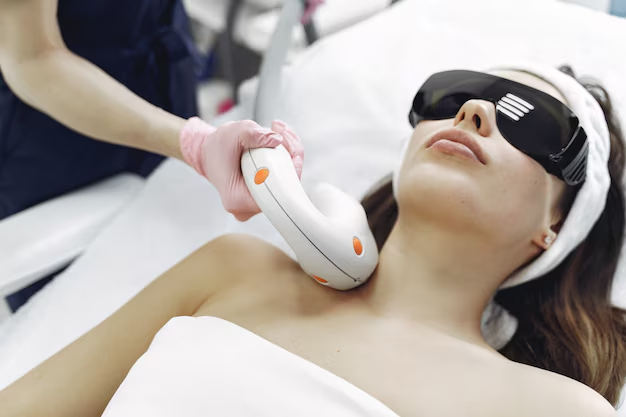
Managing pubic hair can be frustrating when shaving causes irritation, waxing becomes uncomfortable, or regrowth returns within days. Laser hair removal offers a longer-term option by targeting the hair follicles with concentrated light.
The phrase permanent pubic hair removal laser is commonly used to describe laser treatment intended to produce long-lasting reduction in pubic hair. However, laser treatment does not always remove every hair permanently. Most people require several sessions, and some maintenance treatments may be needed because hair growth can change over time.
How Laser Hair Removal Works
Laser hair removal targets pigment within the hair.
The laser’s energy is absorbed by the hair and converted into heat, which damages the follicle and reduces its ability to produce new hair.
Because hair grows in different stages, one treatment cannot effectively target every follicle at the same time. Multiple sessions are therefore normally required.
The exact number varies based on hair colour, skin tone, hair thickness, treatment area, hormonal factors, and the type of laser being used.
Pubic Hair Can Respond Well to Treatment
Coarser, darker hair often responds well because it contains more pigment for the laser to target.
The bikini line, pubic region, and other externally accessible areas can be treated, depending on the provider and the specific treatment plan.
Very fine or light-coloured hair may respond less effectively because there is less pigment available to absorb the laser energy.
White, grey, and some very light blonde hairs can be particularly difficult to treat with conventional laser systems.
Laser Is Different From Electrolysis
Laser hair removal and electrolysis are not the same treatment.
Laser generally aims for long-term hair reduction across larger areas. Electrolysis treats individual follicles using an electrical current and can be used for hair colours that may not respond well to laser.
Someone with a mixture of dark and light hairs may therefore require a different strategy for different areas.
A qualified practitioner can assess the hair and skin characteristics before recommending an approach.
Several Sessions Are Usually Necessary
Hair growth cycles make repeated treatments necessary.
A treatment schedule may involve sessions separated by several weeks, allowing another portion of the hair follicles to enter a suitable growth stage.
Results are gradual rather than immediate.
After each session, some treated hairs may shed over the following days or weeks, while other follicles remain capable of producing hair until they are treated during a later growth phase.
Skin Tone Matters
Laser technology has developed considerably, but skin tone remains an important factor when choosing a treatment system.
Some lasers are better suited to darker skin tones than others. The practitioner needs to select appropriate settings and equipment to reduce the risk of burns or unwanted pigmentation changes.
A consultation should include an assessment of skin type, hair colour, previous tanning, medications, and any relevant skin conditions.
Preparation Before Treatment
Providers usually give specific preparation instructions before a session.
These may include avoiding tanning and following instructions about shaving the treatment area.
Waxing, plucking, or other methods that remove the hair from the root may need to be avoided before treatment because the laser needs the follicle to target the hair effectively.
The treatment area should also be clean and free from products that could interfere with the procedure.
Follow the clinic’s instructions rather than relying on a generic preparation schedule.
What Does Treatment Feel Like?
People describe laser hair removal in different ways.
The sensation can resemble a quick snap or small hot prick against the skin. Modern devices often include cooling systems designed to make treatment more comfortable.
Sensitivity varies by person and treatment area.
Pubic skin can be more sensitive than areas such as the legs or arms, so the practitioner may adjust settings based on comfort and skin response.
Temporary Skin Reactions Are Possible
Redness and mild swelling around the treated follicles can occur after laser treatment.
These reactions are generally temporary, but more significant burns, blistering, pigmentation changes, or scarring are possible when treatment is performed incorrectly or unsuitable settings are used.
That is one reason provider selection matters.
A properly trained practitioner should assess the skin and use equipment appropriate for the individual’s characteristics.
Choosing a Provider Requires More Than Comparing Prices
The cheapest treatment is not necessarily the safest or most appropriate.
Before booking permanent pubic hair removal laser, ask about the provider’s qualifications, experience with your skin tone, equipment being used, expected number of sessions, and aftercare instructions.
A consultation is preferable to purchasing a large treatment package without first understanding whether the treatment is suitable.
Ask what areas are included in the quoted price as well. “Bikini” can mean different treatment boundaries between providers.
Be Clear About the Treatment Area
Pubic hair removal can refer to several different areas.
Some people want treatment only along the bikini line, while others want a larger area treated.
Before starting, make sure you and the provider have the same understanding of the treatment boundaries.
This also helps with pricing and prevents misunderstandings about what is included in each appointment.
Hormonal Changes Can Affect Results
Hair growth can be influenced by hormonal changes.
Even after a successful course of laser treatment, hormonal fluctuations may stimulate new hair growth in some people.
This does not necessarily mean the original treatment failed.
It may simply mean that additional sessions are required to manage newly active follicles.
Aftercare Deserves Attention
After treatment, the skin may be temporarily more sensitive.
Providers may recommend avoiding excessive heat, friction, tanning, or certain products for a short period following treatment.
The exact aftercare instructions depend on the laser system and individual skin response.
Following the clinic’s instructions can help reduce irritation and support normal recovery.
See also: Why Smart Businesses Treat Commercial Maintenance Services as a Business Priority
Permanent Reduction Is a More Accurate Expectation
The term permanent pubic hair removal laser can create unrealistic expectations.
Laser hair removal is generally described medically and cosmetically as long-term hair reduction rather than a guarantee that every treated follicle will remain permanently inactive.
Some hairs may return, and maintenance sessions may be required.
The most useful goal is therefore a substantial and lasting reduction in unwanted hair, rather than assuming that a fixed number of sessions will eliminate every follicle forever.
Start With a Professional Assessment
Pubic laser hair removal can be an effective option for people who want to reduce ongoing shaving or waxing.
The right laser, settings, treatment schedule, and aftercare depend on individual skin and hair characteristics.
A consultation with a qualified provider can establish whether the treatment is appropriate, explain realistic results, and identify any factors that could increase the risk of side effects.
That assessment is the best starting point before committing to a full course of treatment.