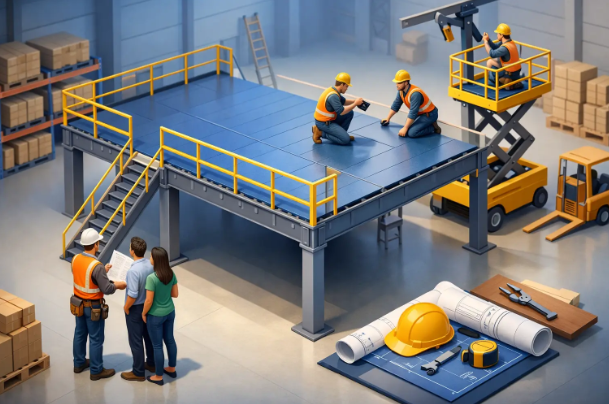
Industrial construction projects often involve multiple stakeholders, tight schedules, and complex operational requirements. Coordinating architects, engineers, contractors, and suppliers through traditional project delivery methods can create communication gaps, delays, and unexpected costs. Design-build construction offers a streamlined alternative by bringing every stage of the project under a unified approach. As a result, businesses benefit from improved collaboration, faster decision-making, and more efficient project execution.
Whether constructing a new manufacturing plant, expanding a warehouse, or upgrading a distribution centre, choosing the right partner for Industrial Construction Services can significantly improve project outcomes. An experienced construction management company helps align design, planning, and construction activities, creating facilities that meet operational goals while supporting future growth.
Why Design-Build Construction Is Transforming Industrial Construction Services
The design-build model combines design, engineering, and construction into a single coordinated process. Instead of managing multiple independent contracts, businesses work with one integrated team responsible for delivering the entire project. This collaborative approach reduces complexity while improving communication from concept through completion.
For industrial projects where operational efficiency and timing are critical, design-build creates a more predictable construction experience with fewer administrative challenges.
See also: Wedding Suite Packages: Planning a Memorable Start to Married Life
A Single Point of Responsibility
One of the greatest strengths of design-build construction is having a single team responsible for every project phase. Rather than coordinating separate consultants and contractors, clients communicate with one experienced project team that oversees design development, budgeting, scheduling, and construction.
This integrated structure helps:
- Simplify project communication
- Reduce administrative workload
- Improve accountability
- Accelerate decision-making
- Minimise misunderstandings
A unified approach creates greater transparency throughout the project lifecycle while allowing issues to be resolved more efficiently.
Better Collaboration Throughout the Project
Design-build encourages architects, engineers, and construction professionals to collaborate from the beginning. Instead of working independently, every discipline contributes to developing practical, cost-effective solutions that support project objectives.
Early collaboration often identifies potential construction challenges before work begins, allowing adjustments to be made during planning rather than after construction is underway. This proactive process helps improve quality while reducing costly changes.
Improving Project Efficiency Through Integrated Planning
Successful Industrial Construction Services rely on detailed planning and strong coordination. Design-build projects encourage continuous communication between design and construction teams, allowing schedules and budgets to remain aligned throughout every stage of development.
Integrated planning also provides greater flexibility when project requirements evolve during construction.
Faster Project Delivery
Traditional construction methods typically separate design and construction into consecutive phases. Design-build allows portions of construction to begin while other design work continues, reducing overall project duration without compromising quality.
Benefits of accelerated project delivery include:
- Shorter construction timelines
- Earlier facility occupancy
- Reduced project delays
- Improved scheduling flexibility
- Faster return on investment
Completing projects sooner enables businesses to begin operations more quickly and respond faster to market opportunities.
More Accurate Budget Management
Budget certainty is a major concern for industrial developments. Because design and construction teams work together from the outset, cost estimates are developed alongside design decisions, reducing the likelihood of unexpected expenses later.
An experienced construction management company continuously evaluates material selections, construction methods, and scheduling options to help maintain financial control throughout the project.
Enhancing Quality and Reducing Project Risks
Industrial facilities must support demanding operational requirements for many years. Design-build construction improves quality by integrating technical expertise into every design decision while reducing risks associated with fragmented project delivery.
The result is a facility designed with long-term performance, efficiency, and durability in mind.
Identifying Challenges Early
Early planning allows project teams to evaluate site conditions, operational needs, and technical requirements before construction begins. Addressing potential issues during design reduces the likelihood of costly modifications later.
Common areas reviewed include:
- Building layout efficiency
- Utility requirements
- Equipment integration
- Future expansion opportunities
- Site access and logistics
Proactive planning supports smoother construction while helping businesses avoid unnecessary project interruptions.
Supporting Operational Requirements
Every industrial facility has unique operational priorities. Whether supporting manufacturing, warehousing, or distribution, building design should align with workflow, equipment needs, and future growth plans.
Industrial Construction Services delivered through the design-build approach ensure facility design reflects operational objectives from the beginning, creating practical workspaces that improve long-term productivity.
Building Facilities Ready for Future Growth
Industrial facilities should not only meet today’s operational demands but also accommodate tomorrow’s expansion. Design-build construction encourages forward-thinking design strategies that allow buildings to evolve alongside changing business requirements.
Planning for flexibility today reduces the need for major renovations in the future.
Designing for Scalability
Business growth often requires additional production space, warehouse capacity, or automation infrastructure. Facilities designed with scalability in mind make future expansion significantly easier.
Important planning considerations include:
- Expandable building layouts
- Flexible utility infrastructure
- Future equipment capacity
- Efficient traffic flow
- Adaptable workspace configurations
Scalable facilities help businesses respond confidently to changing operational needs while protecting long-term investment.
Supporting Modern Industrial Technologies
Industrial operations increasingly rely on automation, advanced material handling, and intelligent building systems. Design-build teams can incorporate infrastructure that supports these technologies during initial construction rather than requiring future modifications.
MTLI Group works with businesses to create industrial facilities that are prepared for evolving operational requirements, helping organisations maximise the long-term value of their construction investment.
Choosing the Right Construction Partner
The success of any industrial project depends heavily on selecting the right project partner. Beyond technical expertise, businesses should look for a team capable of managing communication, solving challenges, and maintaining quality throughout the project.
An experienced construction management company brings together planning, coordination, and execution under one structured process.
Evaluating Experience and Capabilities
Before selecting a provider for Industrial Construction Services, businesses should carefully evaluate their experience with projects similar in size and complexity.
Key factors to consider include:
- Industrial construction expertise
- Integrated project management
- Safety-focused practices
- Scalable design capabilities
- Proven delivery processes
Choosing an experienced team helps reduce uncertainty while improving confidence throughout construction.
Prioritising Long-Term Value
Construction decisions influence operational performance for decades. Rather than focusing solely on initial costs, businesses should consider lifecycle value, operational flexibility, and future expansion opportunities.
MTLI Group supports clients with integrated project delivery that combines planning, engineering, and construction into one coordinated process. This collaborative approach helps businesses complete projects efficiently while creating facilities designed for long-term operational success.
Conclusion
Design-build construction has transformed the way industrial facilities are planned and delivered by improving collaboration, simplifying communication, and reducing project complexity. By integrating design, engineering, and construction under one team, businesses benefit from faster delivery, better budget control, and facilities that support long-term operational goals. Choosing comprehensive Industrial Construction Services allows organisations to focus on business growth while experienced professionals manage every stage of the project.
Partnering with a knowledgeable construction management company also ensures industrial facilities are designed with future flexibility, efficiency, and scalability in mind. From early planning through final construction, every decision contributes to stronger project outcomes and lasting value. MTLI Group helps businesses deliver successful industrial projects through integrated design-build solutions that support operational excellence today while preparing facilities for the opportunities of tomorrow.