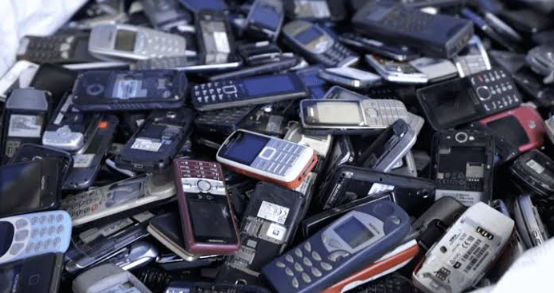
If you’ve got an old smartphone sitting in a drawer, you’re not alone. Millions of people keep outdated devices long after they’ve stopped using them, often because they aren’t sure what to do with them. Old cell phone recycling is one of the easiest ways to reduce electronic waste, recover valuable materials, and ensure your personal data doesn’t end up in the wrong hands. Instead of letting unused phones collect dust, recycling them can benefit both the environment and your community.
Why So Many Old Phones Go Unused
Most people upgrade their phones every two to four years. While the latest models offer better cameras, faster processors, and improved battery life, the previous devices are often forgotten.
Some common reasons people keep old phones include:
- They plan to use them as backups.
- They forget they still have them.
- They aren’t sure how to erase personal data.
- They don’t know where to recycle them safely.
The result is millions of unused devices sitting in homes while valuable materials remain locked inside them.
See also: What to Check Before Choosing Around New Life Health Greenville Sc in 2026
The Environmental Impact of Electronic Waste
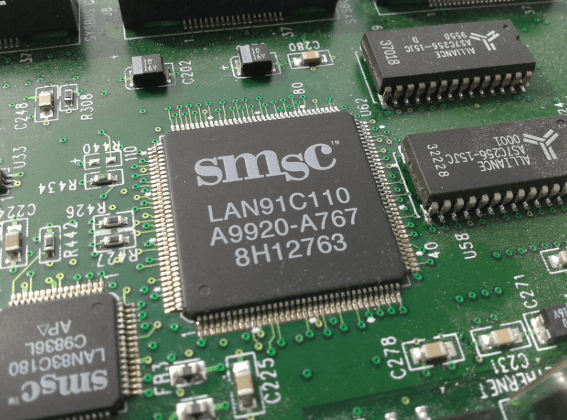
Electronic waste, commonly known as e-waste, is one of the fastest-growing waste streams worldwide. Mobile phones contain materials such as gold, silver, copper, aluminum, and rare earth elements that require significant energy and resources to mine.
When these devices end up in landfills instead of recycling facilities, several problems arise:
- Valuable materials are permanently lost.
- Harmful chemicals may leak into soil and groundwater.
- More natural resources must be extracted to manufacture new devices.
- Carbon emissions increase due to additional mining and production.
Recycling even one phone helps reduce the demand for newly mined materials while supporting a more sustainable electronics industry.
What Happens During Old Cell Phone Recycling?
Many people imagine recycled phones being thrown into a large pile of scrap metal, but the process is much more advanced.
Typically, recycling involves several important steps:
Data Removal
If the phone is still functional, it should first be securely wiped to remove personal information, including photos, contacts, passwords, and financial data.
Device Inspection
Phones that still work may be refurbished and sold again. Extending the life of electronics is often even better than recycling because it reduces manufacturing demand.
Material Recovery
Devices that cannot be reused are dismantled. Valuable metals, plastics, glass, and electronic components are separated and processed for future manufacturing.
Why Recycling Is Better Than Throwing Phones Away
Discarding a phone in the trash may seem harmless, but it contributes to growing environmental challenges.
Recycling offers several advantages:
- Conserves natural resources.
- Reduces landfill waste.
- Supports responsible manufacturing.
- Lowers greenhouse gas emissions.
- Protects sensitive information through secure disposal.
Many certified recycling programs also follow strict environmental standards, ensuring hazardous materials are handled responsibly.
How to Prepare Your Phone Before Recycling
Before handing over your device, take a few simple precautions.
Back Up Important Files
Save your photos, videos, contacts, and documents to cloud storage or another device.
Remove Personal Accounts
Sign out of your Google or Apple account and disable any activation locks.
Perform a Factory Reset
A factory reset helps erase your personal information before recycling.
Remove SIM and Memory Cards
Don’t forget to remove your SIM card and any expandable storage cards before dropping off the phone.
Businesses Also Benefit from Responsible Recycling
It’s not just individuals who replace electronic devices. Businesses regularly upgrade smartphones, tablets, laptops, and communication equipment.
Companies that already invest in managed it services dallas often include secure device lifecycle management as part of their overall IT strategy. Proper recycling helps organizations protect confidential business data, meet compliance requirements, and reduce unnecessary electronic waste while maintaining responsible technology practices.
Can Old Phones Still Have Value?
Absolutely.
Even devices that seem outdated often retain value because many of their components can still be reused or recycled.
Some phones may qualify for:
- Trade-in programs
- Buyback services
- Refurbishment
- Component harvesting
- Precious metal recovery
Depending on the condition, you might even receive compensation instead of paying for disposal.
Common Myths About Cell Phone Recycling
“My phone is too old.”
Even older devices contain valuable recyclable materials.
“Broken phones can’t be recycled.”
Damaged phones are often accepted because recyclers recover materials from internal components.
“Deleting my photos is enough.”
Simply deleting files doesn’t fully erase personal data. A proper factory reset is always recommended.
“Recycling isn’t worth the effort.”
Considering how many valuable materials are recovered from millions of phones each year, every recycled device contributes to reducing environmental impact.
Choosing a Responsible Recycling Program
Not every recycling service follows the same standards.
Look for organizations that:
- Clearly explain their recycling process.
- Offer secure data destruction.
- Follow certified environmental practices.
- Refurbish devices whenever possible.
- Responsibly dispose of hazardous materials.
Taking a few minutes to choose a reputable recycler ensures your device is handled safely and ethically.
The Bigger Picture
Technology continues to evolve, which means more devices will eventually reach the end of their useful lives. Choosing responsible recycling today helps create a more sustainable future tomorrow.
Instead of allowing unused phones to sit forgotten in a drawer—or worse, end up in a landfill—you can help conserve resources, reduce pollution, and support a circular economy where valuable materials are reused rather than wasted.
Final Thoughts
Your old smartphone may no longer serve your daily needs, but it still holds significant value. Through old cell phone recycling, valuable materials can be recovered, usable devices can find a second life, and harmful electronic waste can be kept out of landfills.
The next time you upgrade your phone, don’t let the old one gather dust. A few simple steps can protect your personal information while making a positive impact on the environment. Sometimes, one small recycling decision can contribute to a much larger change.