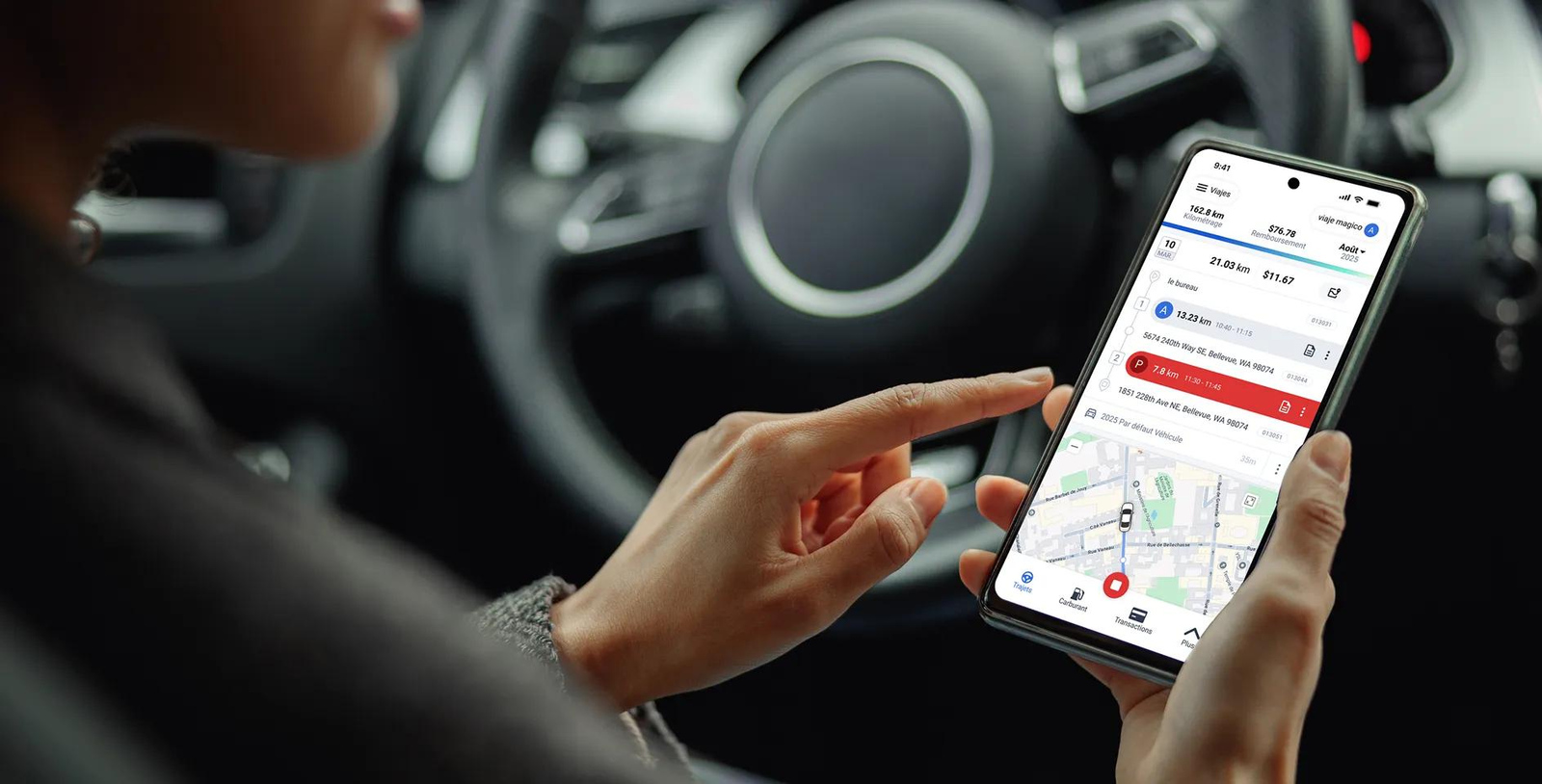
Keeping track of mileage can become challenging when driving is a regular part of work. Recording every trip manually, remembering distances, and organizing travel information can take time. A Mileage Tracking App can make this process more convenient by helping users record and manage mileage digitally.
However, not every mileage tracking solution offers the same features. Some focus mainly on automatic trip recording, while others provide reporting, expense management, data export, and additional tools. Choosing the right option starts with understanding which features are genuinely useful for your needs.
Whether you drive occasionally for work or make several trips every day, knowing what to look for can help you choose a practical and reliable mileage tracking solution.
Why Use a Mileage Tracking App?
A Mileage Tracking App can simplify the process of recording driving activity. Instead of relying on notebooks or spreadsheets, users can maintain digital records of their trips in one place.
Mileage records can include several details, such as the distance traveled, date, starting point, destination, and purpose of a trip. Keeping these details organized can make it easier to review travel activity later.
A digital approach can also reduce the possibility of forgetting trips or making calculation mistakes. However, users should still review their records regularly to make sure the information is accurate.
Important Features to Look for in a Mileage Tracking App
1. Automatic Mileage Tracking
Automatic mileage tracking is one of the most useful features to consider. Manually starting and stopping a tracker for every trip can become inconvenient, especially for people who make several journeys during the day.
An app with automatic tracking can detect driving activity and record trips with minimal interaction. This can save time and reduce the chances of forgetting to log a journey.
When evaluating this feature, consider how reliably the app detects trips and whether you can review the recorded information before adding it to your permanent records.
2. GPS-Based Tracking
GPS technology allows an app to determine routes and calculate travel distances. A Mileage Tracking App with GPS functionality can provide more detailed information than manually entering mileage.
GPS-based tracking can help identify the starting point, destination, route, and approximate distance of a trip. This can make records easier to review and organize.
At the same time, users should consider battery consumption and location permissions. The app should provide useful tracking without unnecessarily affecting device performance.
3. Business and Personal Trip Classification
Many people use the same vehicle for both work and personal travel. Being able to separate these journeys is therefore an important feature.
A good Mileage Tracking App should make it simple to classify trips according to their purpose. Users may be able to categorize trips as business, personal, commuting, or another relevant type.
Clear classification helps keep mileage records organized and makes it easier to identify specific types of travel when reviewing information later.
4. Easy Trip Editing
Even an automatic tracking system can occasionally record information incorrectly. A trip might be categorized incorrectly, a destination may need updating, or a journey may have been recorded when it should not have been.
For this reason, easy editing is an important feature. Users should be able to review and modify individual trips without going through complicated steps.
Useful editing options may include:
- Changing the trip category
- Adding or updating trip details
- Adding notes about a journey
- Correcting inaccurate information
- Removing unwanted trips
Simple editing tools make it easier to keep records accurate over time.
5. Accurate Mileage Tracking
Accuracy should be a major consideration when selecting a Mileage Tracking App. The main purpose of the app is to provide reliable mileage information, so inconsistent tracking can reduce its usefulness.
Tracking accuracy can depend on GPS availability, device settings, connectivity, and how the app detects the beginning and end of a trip.
No automated system should be assumed to be perfect. Reviewing recorded trips periodically can help identify missing, duplicated, or unusual entries.
6. Detailed Mileage Reports
Recording mileage is only part of the process. Users may also need a clear way to understand and review their accumulated information.
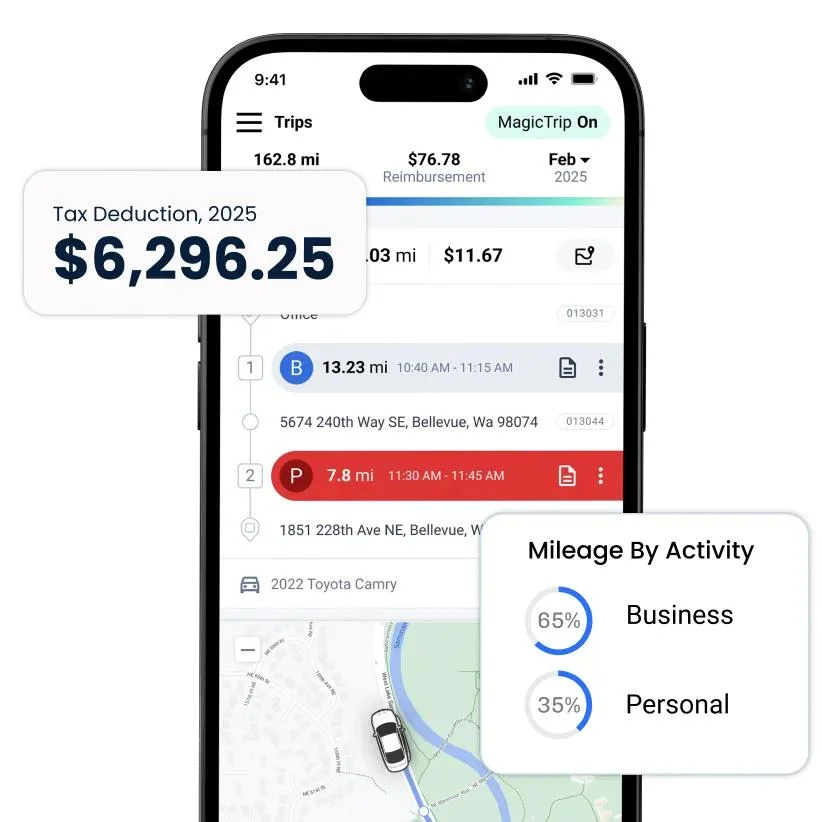
Mileage reports can organize trips according to dates, distances, categories, or other details. Depending on the app, users may be able to view totals for specific periods or separate business and personal mileage.
A useful reporting system should present information clearly rather than making users sort through individual trips manually.
7. Data Export Options
There may be situations where mileage information needs to be used outside the app. For example, users may want to save records for their files, analyze them elsewhere, or share information with an accountant, employer, or administrator.
Data export features can make this process more convenient. Before selecting an app, check which formats are supported and whether exporting information is straightforward.
Having access to your own mileage records in a usable format can be particularly helpful for maintaining longer-term records.
8. Expense and Reimbursement Tracking
Mileage is sometimes connected with other travel-related expenses. Depending on the user’s situation, they may need to record reimbursements, parking costs, tolls, or other expenses associated with work-related travel.
Some mileage tracking solutions provide expense management alongside mileage tracking. This can reduce the need to maintain separate records for different parts of a trip.
If you expect your travel-related record-keeping needs to grow, choosing an app with flexible expense features may be worth considering.
9. Cloud Backup and Synchronization
Mileage records can contain valuable historical information. Losing data because of a damaged, lost, or replaced device can create unnecessary problems.
Cloud backup can help protect records by storing information securely and making it possible to access or restore data when supported by the service.
Synchronization can also be useful for people who use multiple devices. Before choosing a Mileage Tracking App, check how it stores information and what options are available for backup and recovery.
10. Simple and User-Friendly Interface
A mileage tracking tool should make record-keeping easier rather than creating additional work. A complicated interface can make users less likely to maintain their records consistently.
Look for an app where essential actions are easy to find. Starting or reviewing trips, changing categories, checking mileage totals, and generating reports should not require unnecessary steps.
A clean and straightforward interface is especially valuable when mileage tracking needs to become part of a daily routine.
11. Privacy and Data Security
A Mileage Tracking App may collect location information and other data related to your journeys. Privacy should therefore be an important part of the selection process.
Before using an app, review its privacy information and understand how location data is collected, stored, and used. Also consider which permissions the app requires on your device.
Clear privacy practices can help users make informed decisions about their information and choose a solution that aligns with their expectations.
12. Battery Efficiency
Mileage tracking can rely on GPS and other device functions, which means battery consumption is another factor to consider.
An app that uses excessive battery power may become inconvenient for people who spend long periods driving. Efficient tracking can help reduce this issue while still recording useful trip information.
Battery performance can vary depending on the device, operating system, settings, and tracking method, so it can be helpful to test the app during normal use.
How to Choose the Right Mileage Tracking App
The right Mileage Tracking App depends on how you use your vehicle and what you expect from your mileage records. Someone who makes occasional work-related trips may only need basic tracking and reporting, while someone who drives frequently may benefit from automatic tracking, detailed reports, and expense features.
Before choosing an app, consider factors such as:
- How often you drive for work
- Whether you need automatic tracking
- Whether GPS tracking is important to you
- How you want to categorize trips
- Whether you need mileage reports
- Whether you need to export your records
- How important data backup and privacy are
- Whether the app is easy to use consistently
It is also worth testing the app before depending on it for important records. This can help you determine whether it accurately captures trips and whether its features fit naturally into your routine.
See also: Comprehensive Uterine Fibroid Treatments Using Advanced Medical Techniques
Common Mistakes to Avoid
One common mistake is choosing a mileage tracking solution simply because it has a large number of features. More features do not necessarily mean a better experience.
It is also important not to rely completely on automatic tracking without reviewing your records. GPS or device limitations can occasionally result in missing or inaccurate information.
Other mistakes include ignoring privacy settings, failing to back up important records, and choosing an app that is unnecessarily complicated for your actual needs.
The goal should be to find a balance between useful features, accuracy, convenience, and simplicity.
Conclusion
Choosing the right Mileage Tracking App can make recording and organizing driving information much easier. Automatic mileage tracking, GPS functionality, trip classification, editing tools, reporting, export options, backup, privacy controls, and battery efficiency are some of the most important features to consider.
However, the best solution is not necessarily the one with the longest feature list. It is the one that fits your driving habits and makes it easier to maintain accurate records consistently.
Before choosing an app, consider your specific requirements, test the available features, and pay attention to accuracy, usability, privacy, and data management. A practical and reliable mileage tracking solution can turn a time-consuming record-keeping task into a much simpler part of your regular routine.