Flat roofs have a reputation for being difficult to maintain, but many problems come down to poor drainage, ageing materials, damaged joints, or inadequate installation rather than the flat design itself.
Effective flat roof waterproofing creates a continuous barrier that protects the structure and interior from rainwater. The right system depends on the roof construction, existing surface, climate, drainage arrangement, and intended lifespan.
Why Flat Roofs Need Careful Waterproofing
Unlike pitched roofs, flat roofs cannot rely on a steep slope to move rainwater quickly away from the surface.
Most flat roofs are actually designed with a slight fall that directs water toward outlets, gutters, or drainage channels.
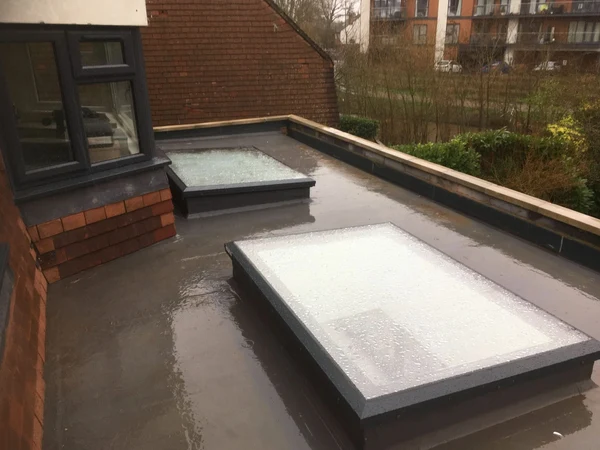
If that fall is inadequate or drainage becomes blocked, water can remain on the roof for extended periods. This is known as ponding and can place additional stress on the waterproofing system.
A properly designed roof should therefore combine waterproofing with effective drainage.
Common Flat Roof Waterproofing Systems
Several systems are used for flat roofs, and each has different characteristics.
EPDM Membranes
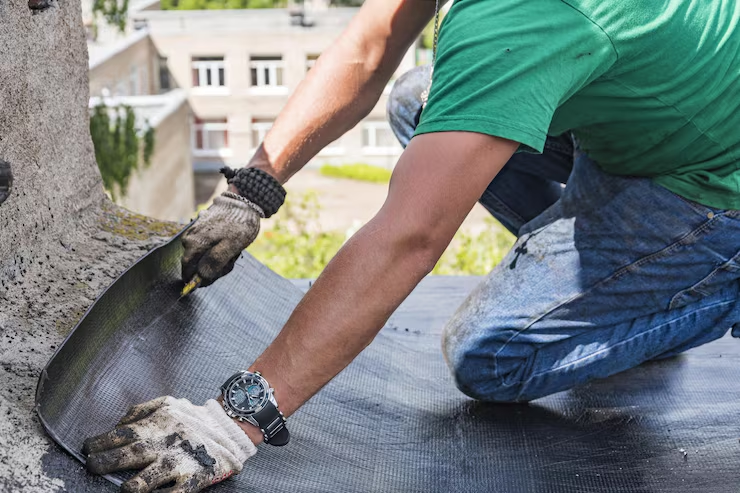
EPDM is a synthetic rubber membrane commonly used for waterproofing.
It is flexible and can accommodate some movement in the roof structure. It is also resistant to weathering and UV exposure.
Installation usually involves laying membrane across the roof and carefully sealing joints and details around penetrations.
GRP Roofing
Glass-reinforced plastic, often called GRP or fibreglass roofing, uses resin and reinforcing material to create a waterproof surface.
It can provide a durable finish and is often used on smaller roofs, extensions, garages, and similar applications.
The substrate and installation process are important because poor preparation can affect the finished surface.
Liquid Waterproofing
Liquid-applied systems are installed as a coating that cures into a continuous waterproof membrane.
They can be useful for complex roofs containing numerous details, penetrations, or difficult-to-reach areas.
The existing roof generally needs careful preparation before the liquid system is applied.
Modified Bitumen
Bitumen-based membranes have been used extensively for flat roofing.
Modern systems can include reinforced layers designed to improve durability and resistance to weather.
The installation method varies depending on the particular product, with some systems mechanically fixed, self-adhered, or heat applied.
The Existing Roof Needs an Inspection First
Applying a new waterproofing layer over an existing roof is not always the right approach.
Before work begins, the roof should be inspected for damaged membranes, wet insulation, structural deterioration, ponding water, failed joints, and defective drainage.
If moisture has already entered the roof build-up, simply covering the surface may trap the problem underneath.
An assessment can determine whether the existing roof is suitable for refurbishment or needs more extensive replacement.
Drainage Is Part of Waterproofing
A waterproof membrane cannot compensate for poor drainage indefinitely.
Roof outlets, gutters, downpipes, and drainage channels should be checked to ensure water can leave the roof efficiently.
Leaves, dirt, moss, and other debris can block outlets and cause water to accumulate.
The roof’s falls should also be reviewed if persistent ponding occurs.
In some situations, correcting the drainage may be more important than applying another waterproofing layer.
Pay Attention to Roof Edges
Roof edges are common locations for water-related problems.
The waterproofing system needs to transition properly at parapets, fascia details, perimeter trims, and other edges.
These areas can experience movement and exposure to wind-driven rain, so the detailing needs to match the roofing system.
A membrane that is installed correctly across the main roof can still fail if its perimeter details are poorly executed.
Roof Penetrations Need Special Treatment
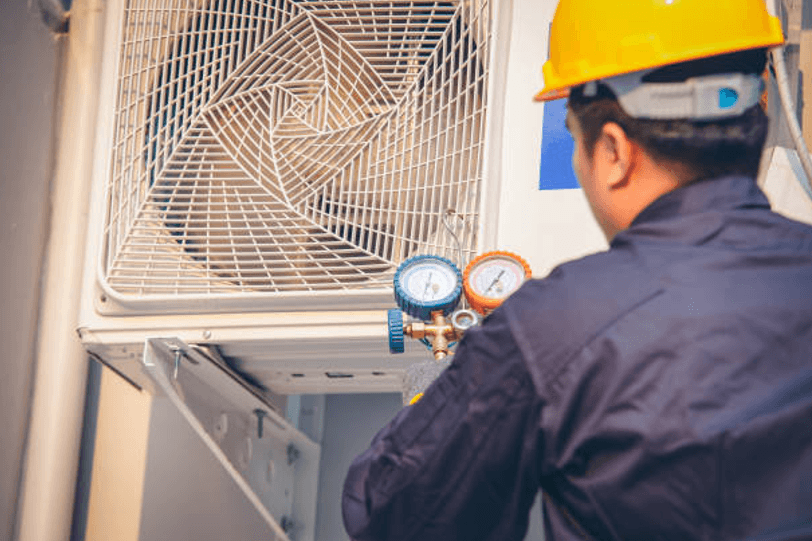
Flat roofs often contain penetrations for pipes, vents, skylights, HVAC equipment, cables, and other services.
Each penetration creates a potential point for water ingress.
The waterproofing system should be properly dressed and sealed around these areas using compatible materials.
Temporary patches or generic sealants may provide a short-term fix but are not necessarily an appropriate long-term solution.
Ponding Water Should Not Be Ignored
Small amounts of standing water after heavy rainfall may disappear as the roof dries.
Persistent ponding is different.
Water that remains for long periods can place additional stress on membranes and may increase the risk of deterioration.
It can also indicate blocked drainage or insufficient roof falls.
If ponding repeatedly occurs in the same location, the underlying cause should be investigated rather than repeatedly applying surface patches.
Insulation and Waterproofing Work Together
Roof refurbishment can be an opportunity to review insulation at the same time.
A waterproof roof protects against moisture, while adequate insulation helps control heat transfer.
The position of the insulation within the roof build-up depends on the roof construction and system being used.
Poor detailing can create cold areas and increase condensation risk.
Any insulation changes should therefore be designed as part of the complete roof assembly rather than treated as a separate layer.
Regular Inspection Can Prevent Larger Repairs
Even a properly installed flat roof waterproofing system needs maintenance.
Periodic inspections can identify:
- Cracked or damaged membranes
- Blocked outlets
- Loose trims
- Deteriorated seals
- Damaged flashing
- Standing water
- Vegetation growth
- Problems around roof penetrations
Finding these issues early can allow repairs before water reaches the underlying structure.
Inspection frequency should reflect the roof’s age, exposure, construction, and condition.
Signs That Your Roof May Need Attention
Water stains on ceilings are an obvious warning sign, but they are not the only indication of a problem.
Other signs can include damp insulation, bubbling or blistering surfaces, visible membrane damage, recurring ponding, mould growth, or deterioration around roof edges.
A leak inside the building does not necessarily originate directly above the visible stain. Water can travel through the roof build-up before appearing indoors.
Tracing the source properly is therefore important before carrying out repairs.
Professional Installation Matters
Flat roof waterproofing depends heavily on correct preparation and detailing.
The installer needs to understand the existing roof, substrate, drainage, membrane system, and manufacturer’s requirements.
Joints, corners, outlets, penetrations, and edges require particular attention.
A high-quality membrane can still fail prematurely if the substrate is unsuitable or the installation details are incorrect.
See also:Why Smart Businesses Treat Commercial Maintenance Services as a Business Priority
Choose the System for the Roof, Not Just the Price
There is no single waterproofing material that suits every flat roof.
A small residential extension may require a different system from a large commercial building. Existing membranes, access requirements, roof movement, insulation, drainage, and expected service life can all influence the decision.
A proper assessment should come before selecting the waterproofing product.
Good flat roof waterproofing is ultimately about creating a roof assembly that manages both water and movement while allowing drainage to work properly.
With suitable materials, accurate installation, and routine inspections, a flat roof can remain watertight and serviceable for many years.